SPORT FOR UNITY

Category: Uncategorized

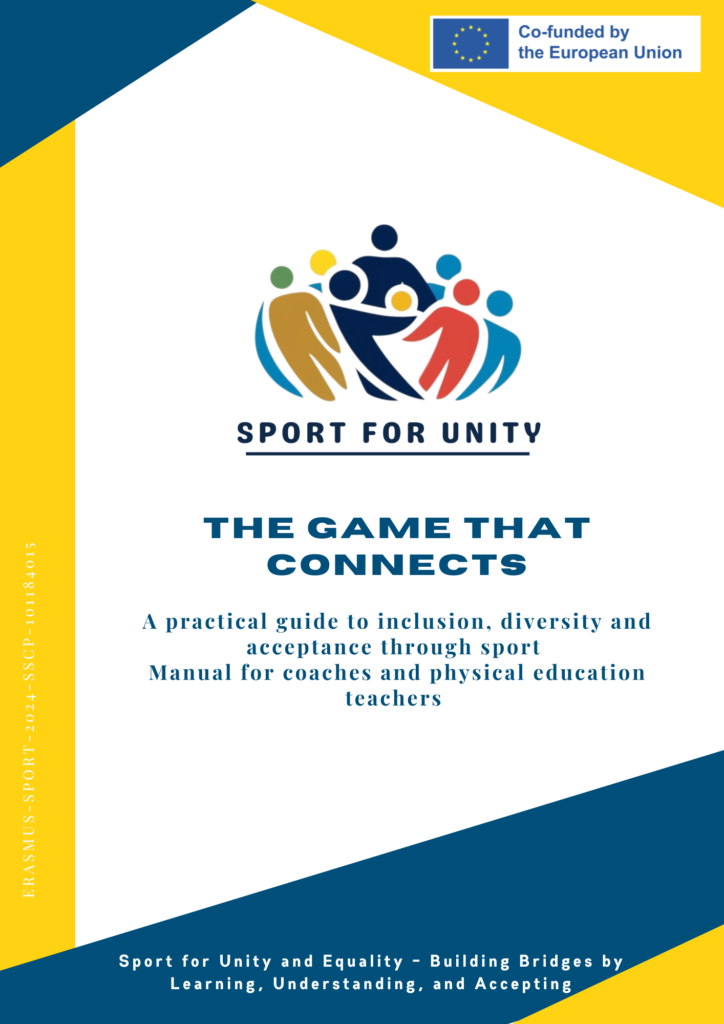
  • Introducing the digital manual “The Game That Connects”

    As part of the Erasmus+ Sport project Sport for Unity and Equality – Building Bridges by Learning, Understanding, and Accepting, a digital manual titled “The Game That Connects” was developed as a practical guide for promoting inclusion, diversity, and equality through sport.

    The manual was created through the cooperation of partner organizations from Croatia, Italy, and Portugal, with the aim of providing practical methods, workshops, and tools for working with children and young people from different social and cultural backgrounds.

    Throughout the project, sport was used as a powerful tool for connection, cooperation, and creating a sense of belonging, especially among children and young people with migrant and refugee backgrounds. The manual highlights how sport can help reduce prejudice, strengthen mutual understanding, and create safe and inclusive environments for all participants.

    The digital manual includes:

    • a theoretical framework on social inclusion through sport,
    • practical workshop models for children, youth, and adults,
    • examples of sports and educational activities,
    • reflection and evaluation methods,
    • recommendations for coaches, teachers, and organizations,
    • creative materials, games, and interactive tasks.

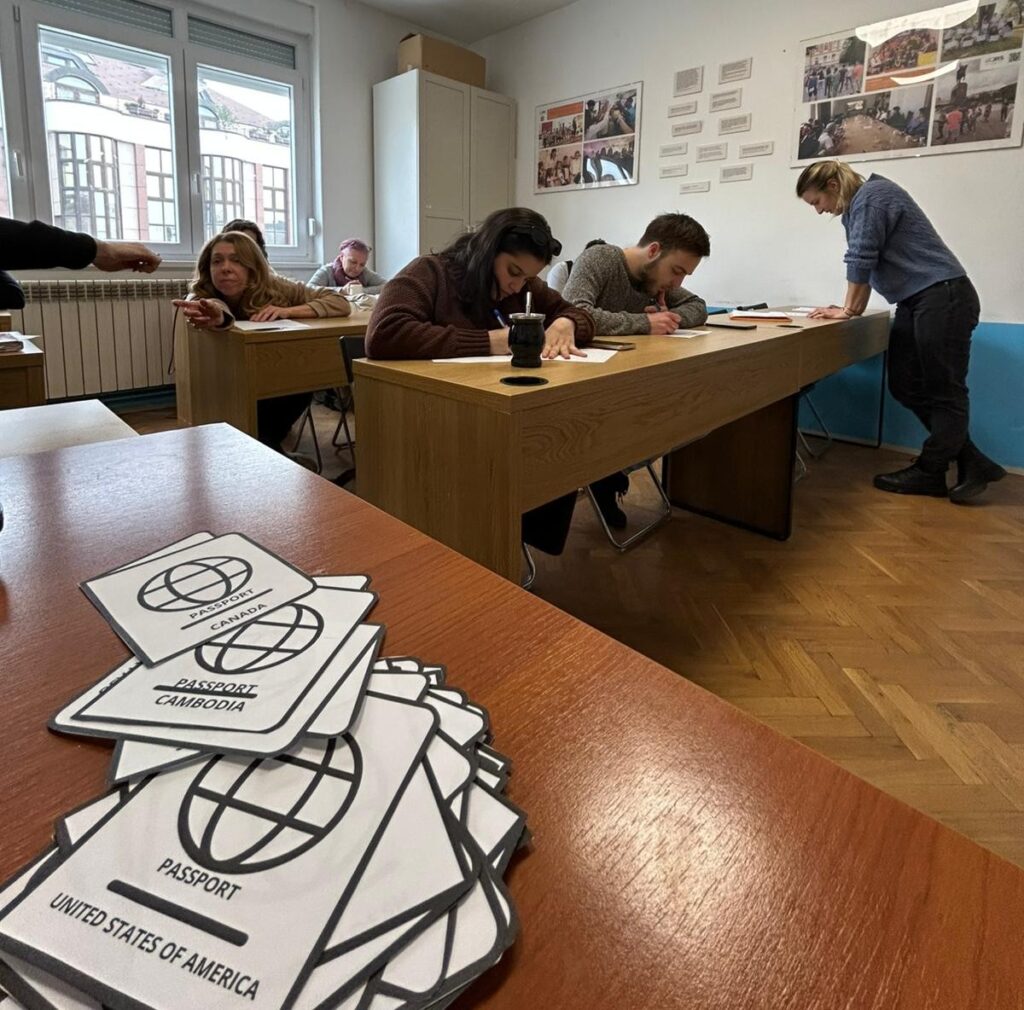
    Special emphasis is placed on experiential learning through movement, teamwork, and dialogue. Activities such as the “Passport Game,” migration workshops, team challenges, and reflection exercises help participants better understand inclusion, equality, and intercultural dialogue in practice.

    The manual is intended for:

    • coaches and sports educators,
    • physical education teachers,
    • sports clubs and organizations,
    • associations working with children and youth,
    • volunteers and professionals working with migrant and socially vulnerable groups.

    Through the Sport for Unity project, it was once again confirmed that sport is not only a physical activity, but also a powerful tool for building empathy, encouraging cooperation, and creating a society based on respect, acceptance, and equal opportunities for all.

    The digital manual is available here:

    “Funded by the European Union. Views and opinions expressed are however those of the author(s) only and do not necessarily reflect those of the European Union or the European Education and Culture Executive Agency (EACEA). Neither the European Union nor EACEA can be held responsible for them.”
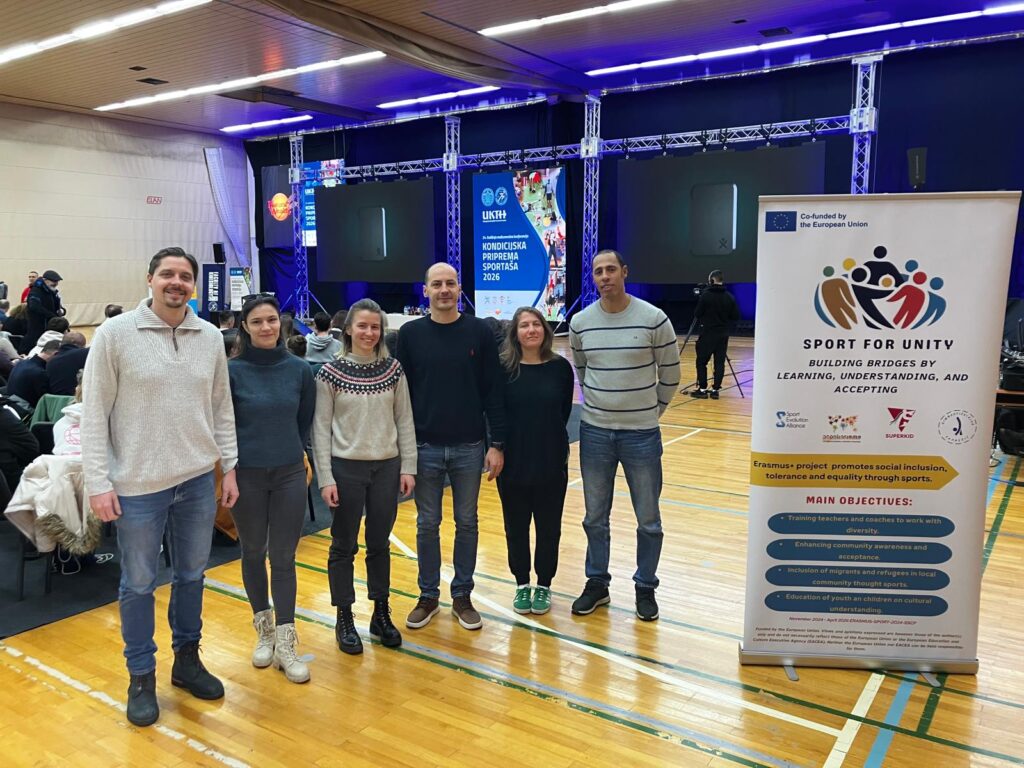
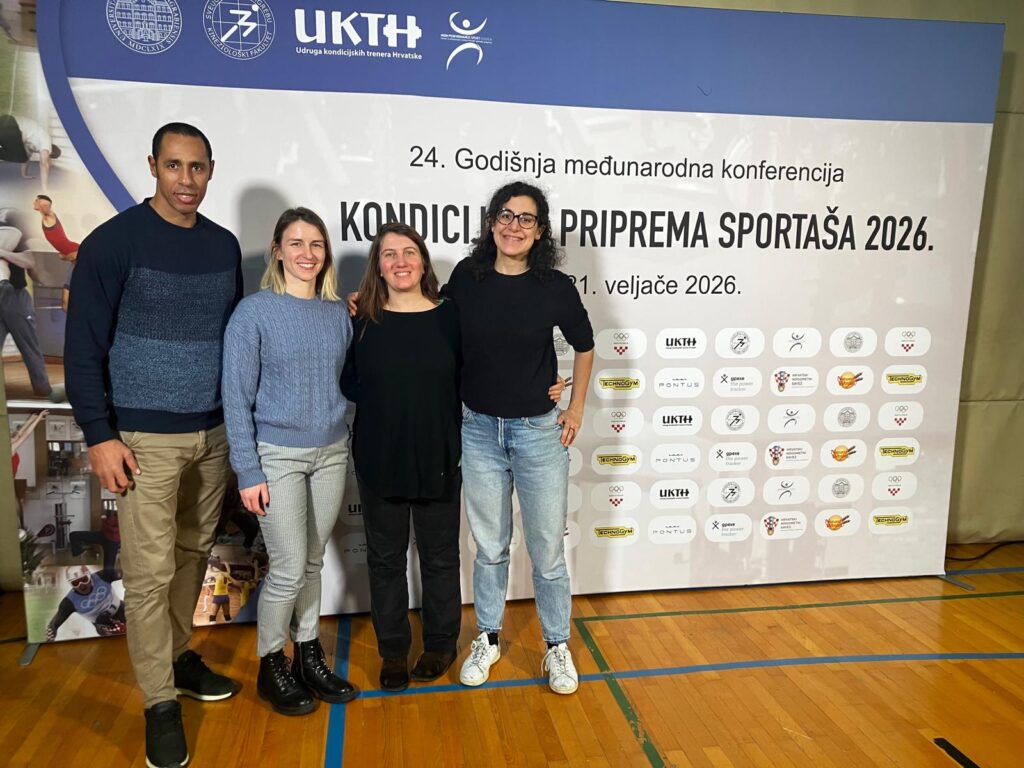
  • Final conference of the Sport for Unity project

    Final Conference – Sport for Unity Project

    The final conference of the Erasmus+ Sport project “Sport for Unity and Equality – Building Bridges by Learning, Understanding and Accepting” was held on 20–21 February 2026 in Zagreb, Croatia, at the Faculty of Kinesiology, University of Zagreb. The event brought together project partners and stakeholders to present the results and experiences from the implementation of the project.

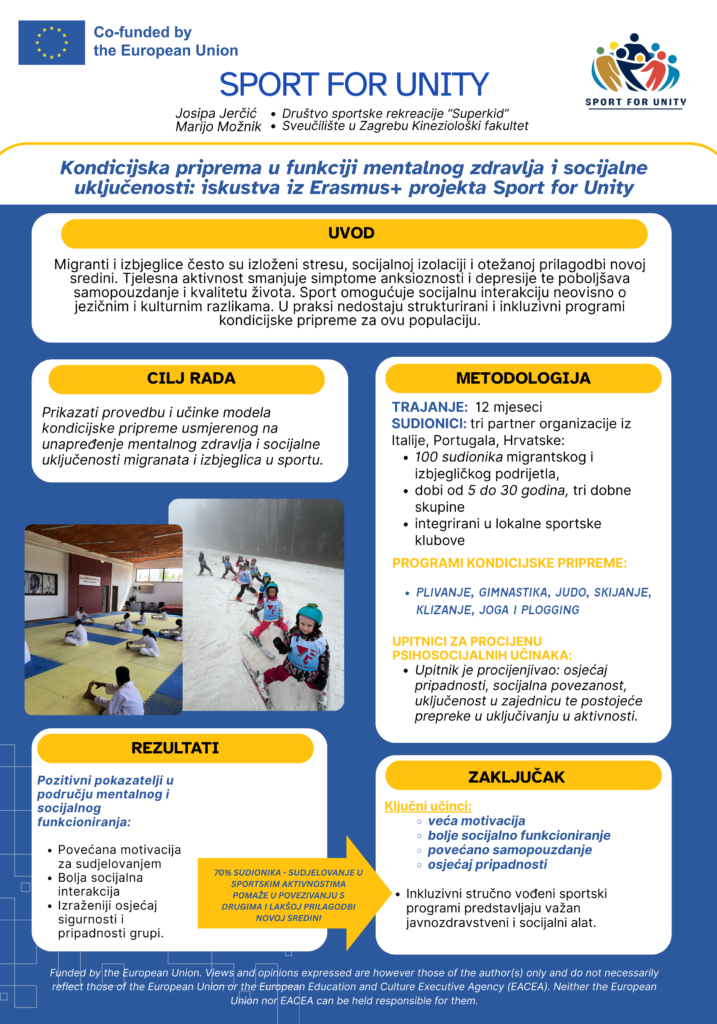
    During the public conference, partners presented the main outcomes of the project and the impact of sport activities on the inclusion of migrants and refugees. The project involved more than 100 participants aged 5–30, who took part in various activities such as swimming, gymnastics, karate, yoga, plogging, skiing and ice-skating, promoting social interaction and integration through sport.

    A research poster presenting the results of the project was also introduced, highlighting the positive effects of sport on mental health, motivation, social interaction and sense of belonging among participants. The conference concluded with the presentation of the digital toolkit and dissemination activities, as well as a discussion on future initiatives that will continue to promote social inclusion through sport.

    The project demonstrated that sport can play a key role in bringing people together and building stronger, more inclusive communities.

  • Sport Bringing People Together – what we did so far

    This video was created within the Erasmus+ Sport project “Sport for Unity and Equality – Building Bridges by Learning, Understanding and Accepting.” It showcases some of the sport activities organized by project partners to promote the inclusion of refugees and migrants through sport.

    Activities include swimming, day camps, gymnastics, yoga and karate sessions, as well as winter activities organized by DSR Superkid – ice-skating and skiing schools with more than 30 children aged 5–15 participating.

    Watch the video to see what we have achieved so far through the project.

  • Educational workshops completed across partner countries

    As part of the project, educational workshops were organized between August 2025 and February 2026 in Croatia, Italy and Portugal. The workshops complemented the practical sport activities and aimed to promote inclusion, diversity, equality, intercultural understanding and awareness of migration-related issues among children, young people, coaches, teachers and volunteers.

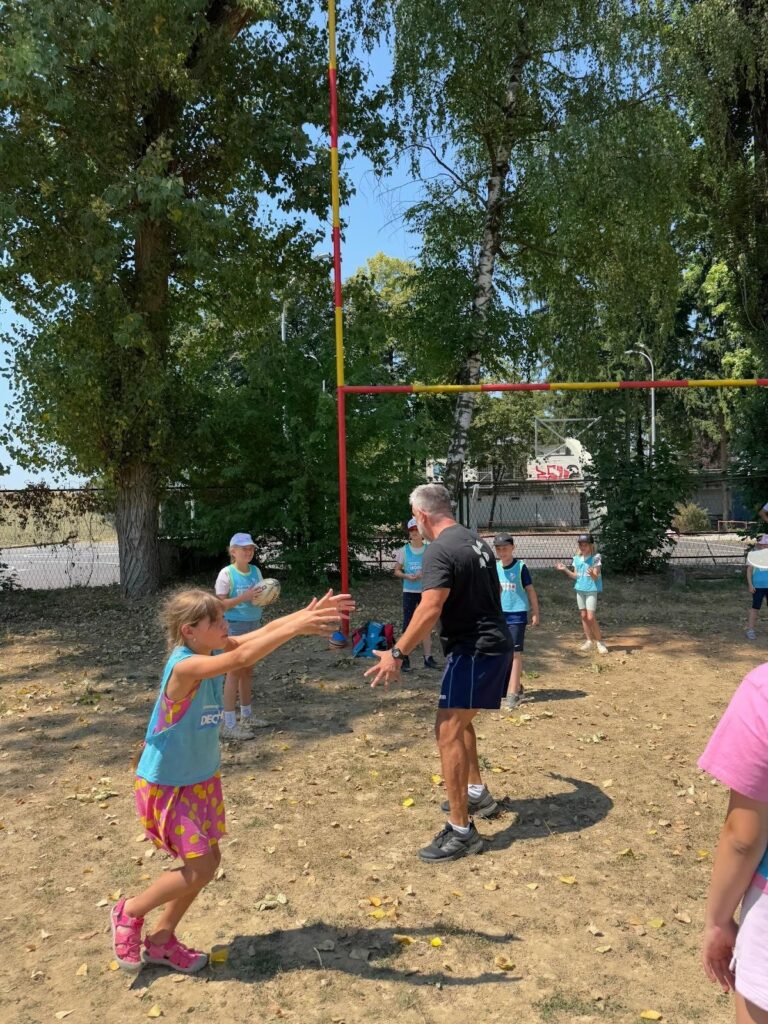
    DSR SuperKid organized two workshops for children in Croatia. The first workshop was held during the SuperKid Summer Camp in August 2025, where participants explored themes such as friendship, respect, teamwork, acceptance of differences and inclusion through games, movement-based activities and group discussions. Children were encouraged to reflect on how everyone can contribute to creating a welcoming and supportive environment in sport and everyday life.

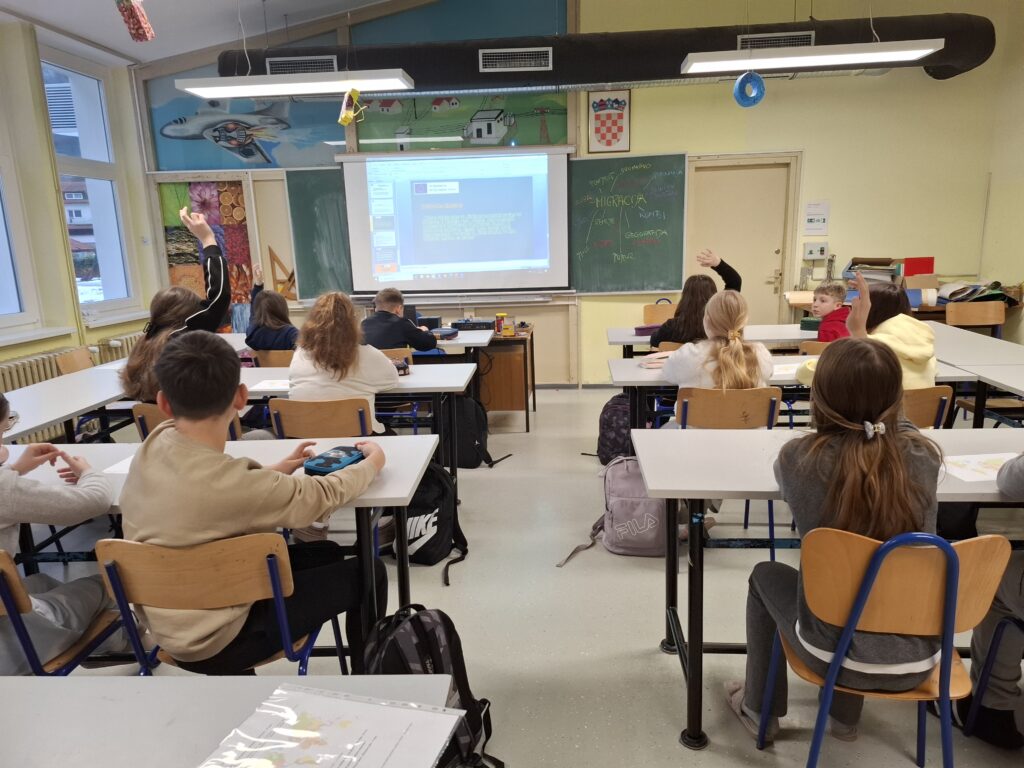
    The second workshop took place on 19 January 2026 at Primary School Augusta Cesarca Krapina, involving 16 students (6 boys and 10 girls). Through interactive activities such as brainstorming on migration, discussions about family migration history, the “Passport Game” and creative exercises focused on diversity and personal strengths, students learned about migration, inclusion and the value of respecting differences. The workshop was facilitated by class teachers and school counsellor.

    Workshops for adults were organized in cooperation with Jesuit Refugee Service (JRS) Zagreb and involved SuperKid coaches, JRS staff and volunteers working directly with refugees and migrants. Participants explored topics such as migration, asylum, social inclusion and diversity through quizzes, discussions and practical examples from their professional work. The exchange of experiences between sports professionals and refugee-support practitioners created a valuable multidisciplinary learning environment.

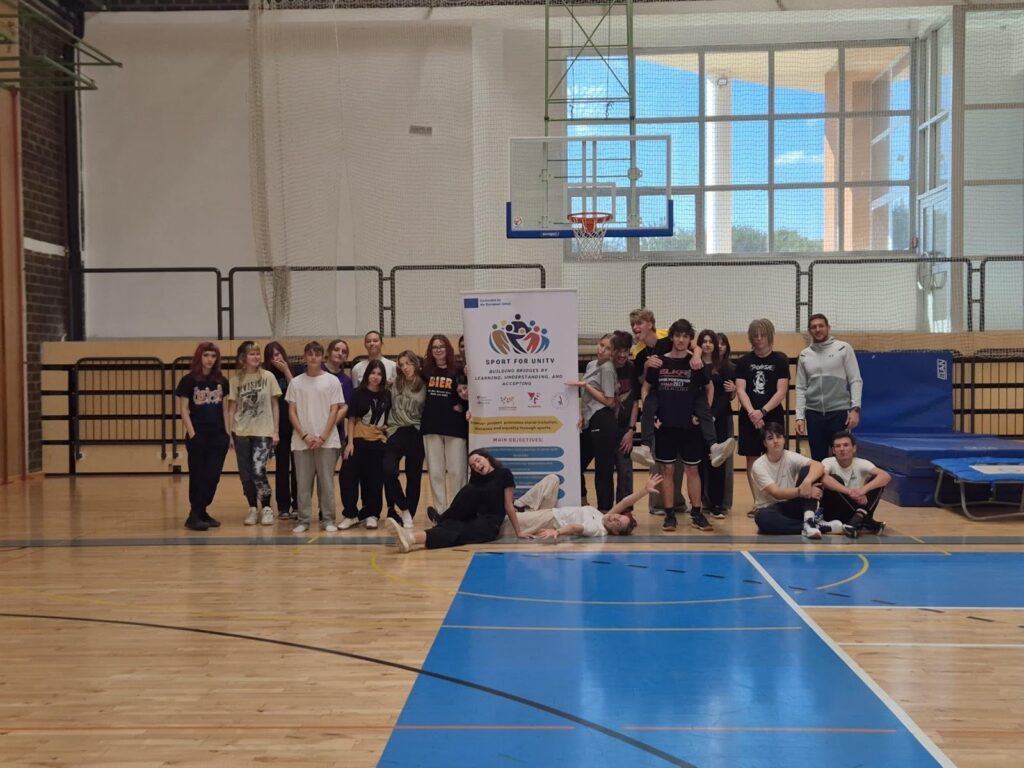
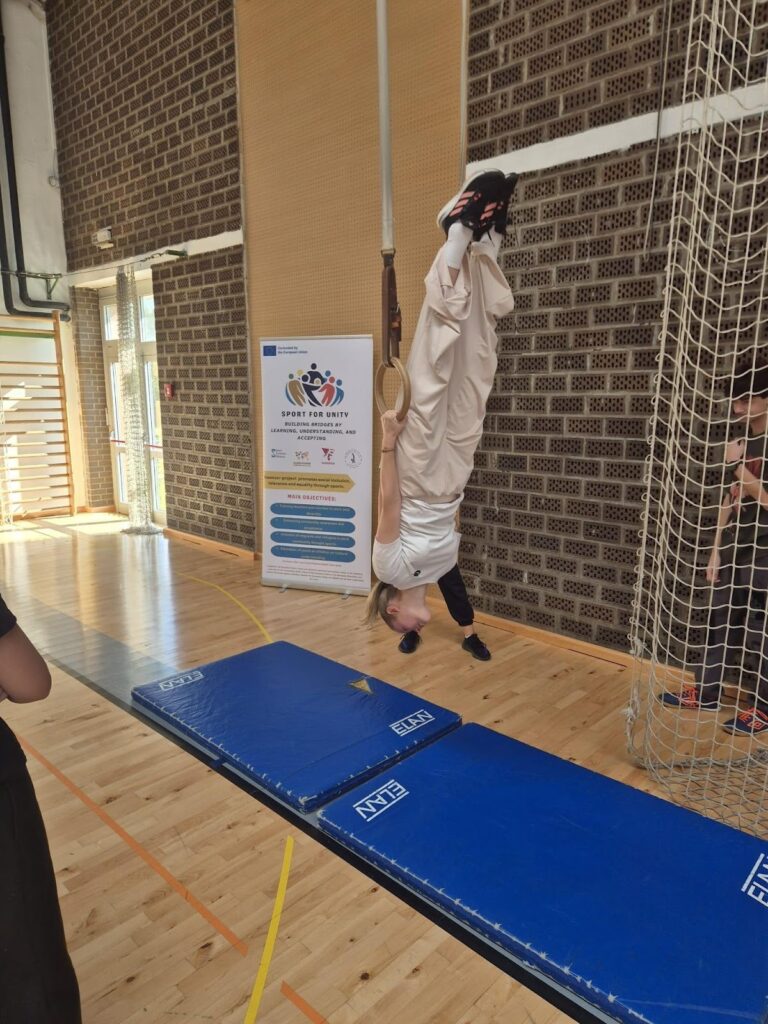
    Project partners also implemented educational workshops within their local communities. Gymnastics Club Zaprešić combined gymnastics activities with workshops for Croatian and Ukrainian students, addressing migration, diversity and inclusion through interactive games, group activities and discussions. Activities such as the “Mosaic of Diversity” encouraged children to recognize and celebrate their individual strengths while understanding the value of diversity within a group.

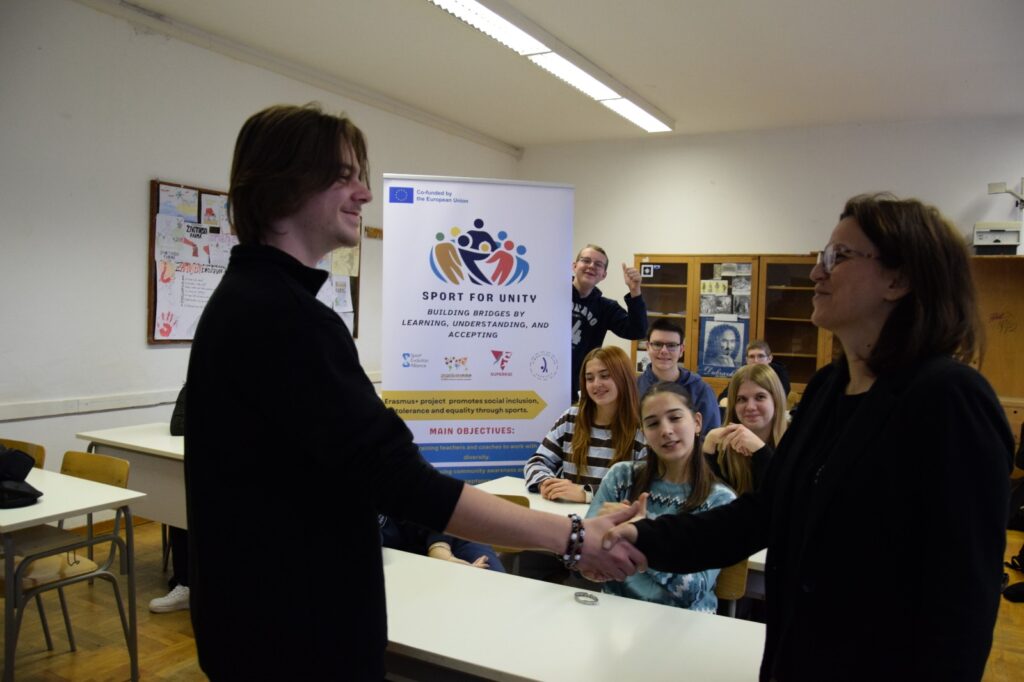
    In Italy, Associazione Popoli Insieme organized a series of workshops in secondary schools focusing on human rights, equality, migration and social inclusion through sport. Students explored the concepts of equality and equity, discussed real-life migration stories and reflected on the role of sport in promoting participation and human rights.

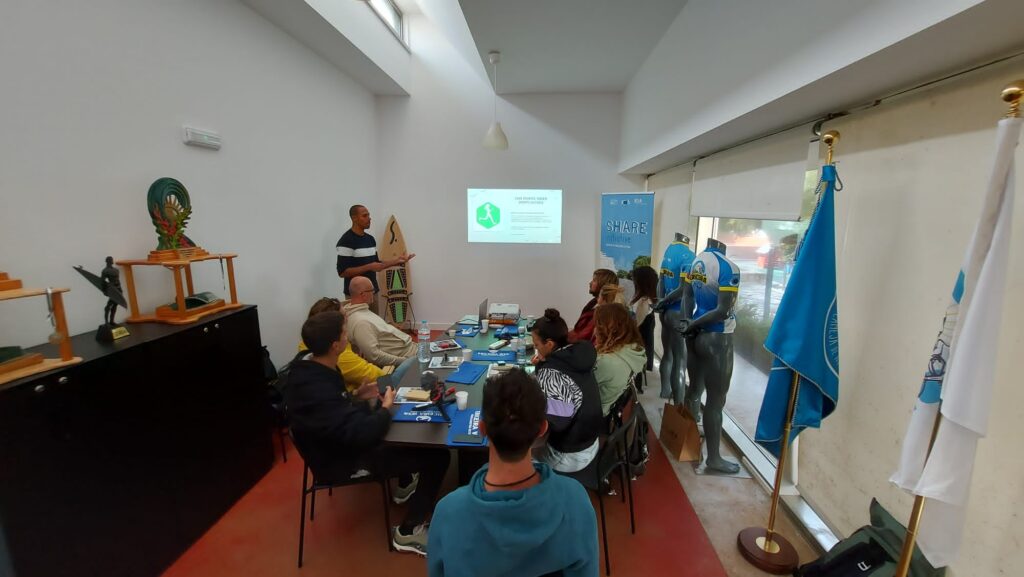
    Meanwhile, Sport Evolution Alliance in Portugal delivered workshops for both young people and coaches, using the values of martial arts—respect, discipline, equality, solidarity and self-control—as tools to promote diversity, tolerance and non-discrimination. Through role-playing, case studies and practical exercises, participants developed skills to create more inclusive environments within sport and their local communities.

    Together, these educational activities formed an important part of the Sport for Unity methodology, demonstrating how sport can be used not only to improve physical well-being but also to strengthen social cohesion, empathy and mutual understanding. By combining sport, education and intercultural dialogue, the project contributed to creating more inclusive communities and promoting European values of equality, diversity and solidarity.

  • Project Activities in full progress across all partner countries

    Project Activities in full progress across all partner countries

    The Sport for Unity and Equality project is currently in full implementation, with practical sport activities successfully taking place across all partner countries. Each organisation is delivering programmes tailored to the needs of migrant and refugee participants, promoting inclusion, wellbeing, and community engagement through sport. 

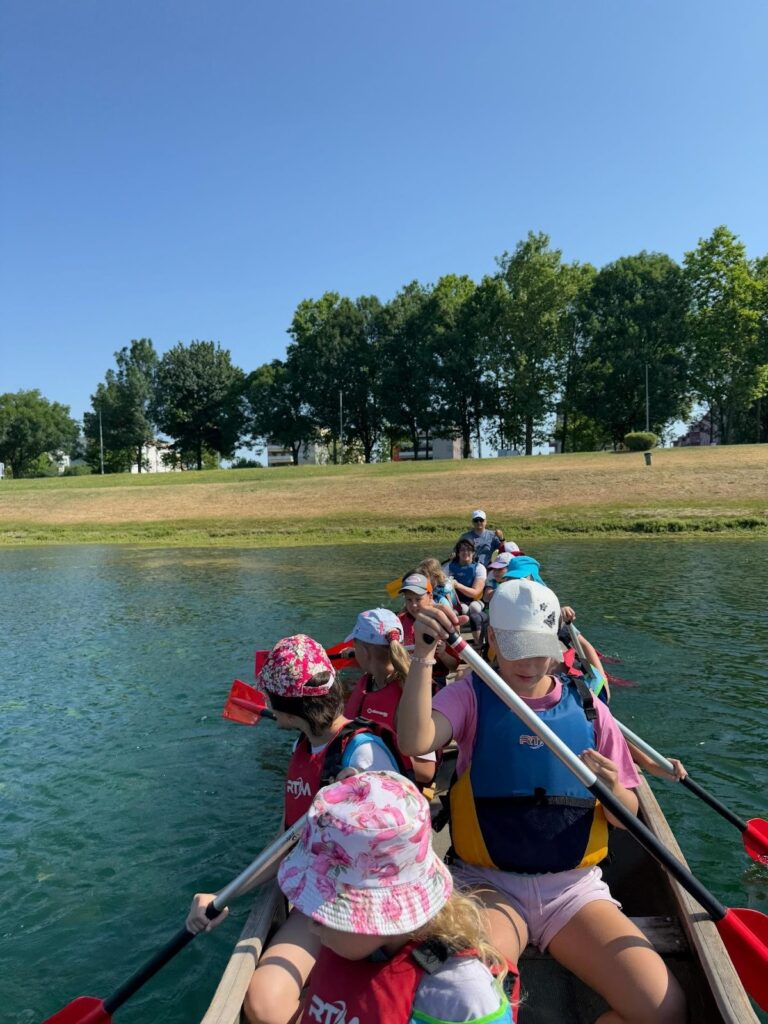
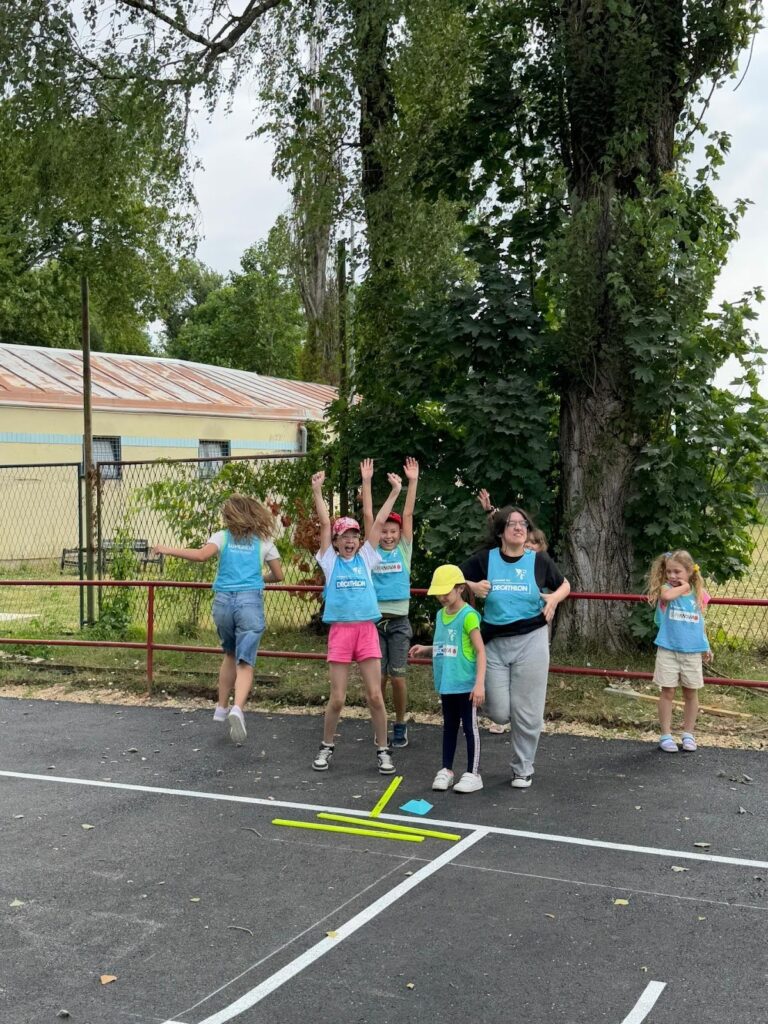
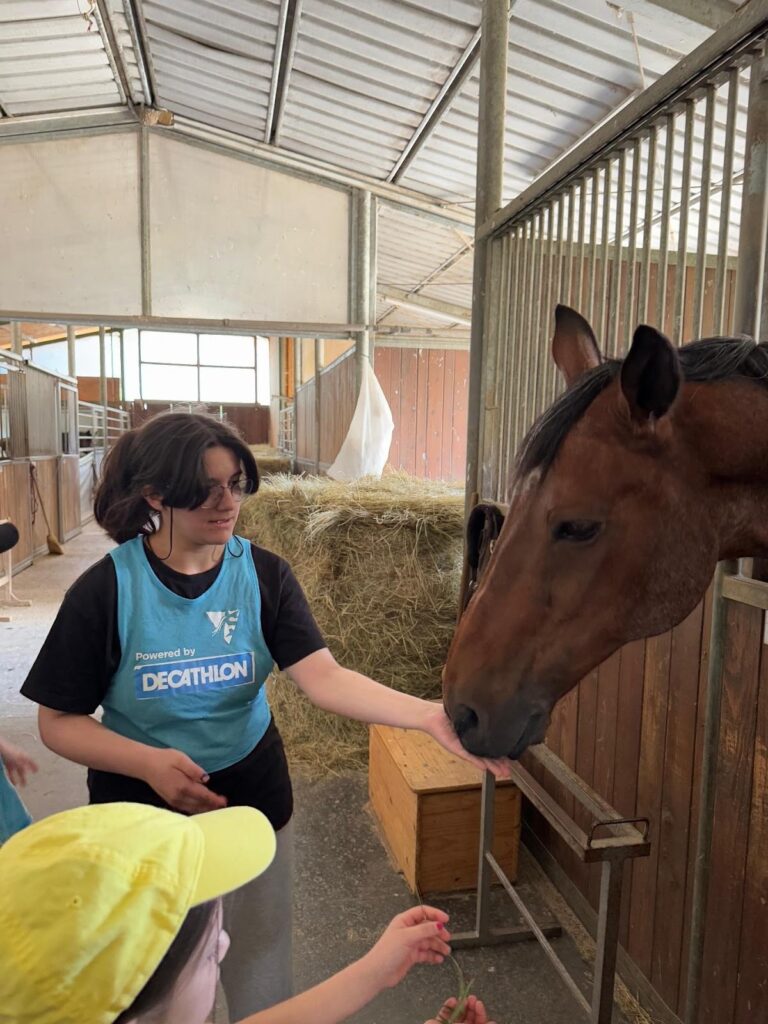
    In Croatia, DSR Superkid has successfully completed its swimming school, organised over three weeks for both beginners and more experienced participants. The organisation works in close partnership with the Jesuit Refugee Service (JRS) in Zagreb, through which project participants are reached and supported. Following this phase, summer day camps have begun, running five days a week and offering diverse sports and recreational activities. The camps have shown the highest level of participation so far, particularly among children of Ukrainian origin.

    Gymnastics Club Zaprešić is implementing regular gymnastics training for children, with initial participants engaged through cooperation with a high school of Graphic design and media production with Ukraine students.

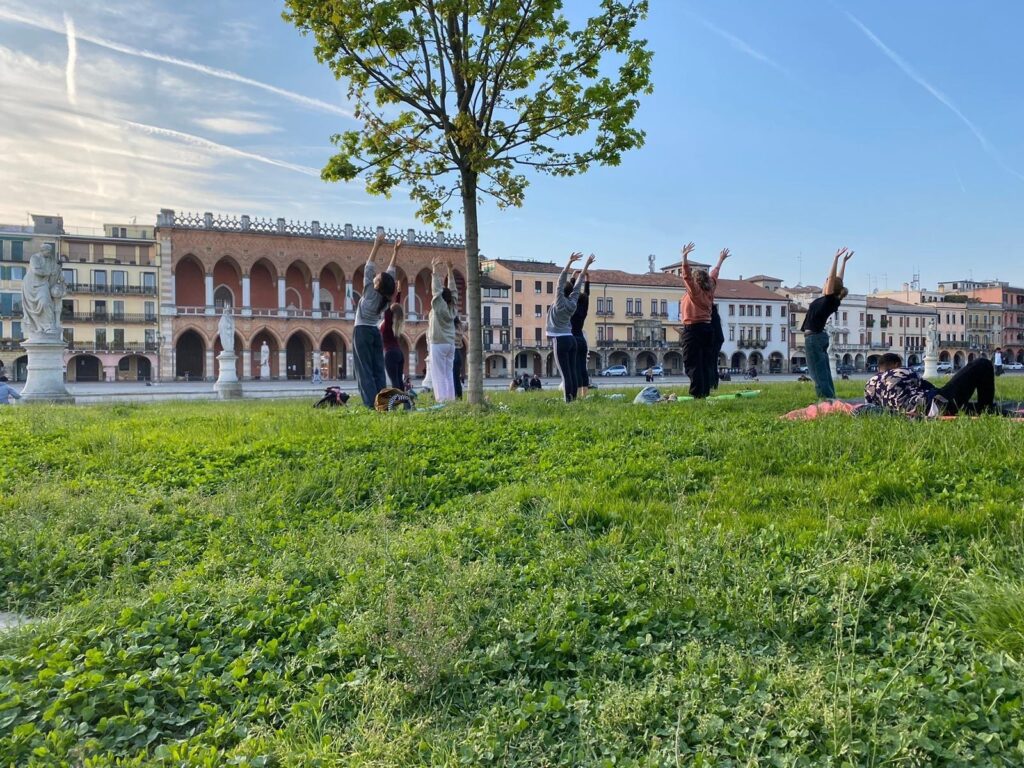
    In Italy, Associazione Popoli Insieme has organised inclusive yoga sessions aimed at improving physical and mental wellbeing while creating a welcoming space for intercultural interaction among participants from diverse national backgrounds.

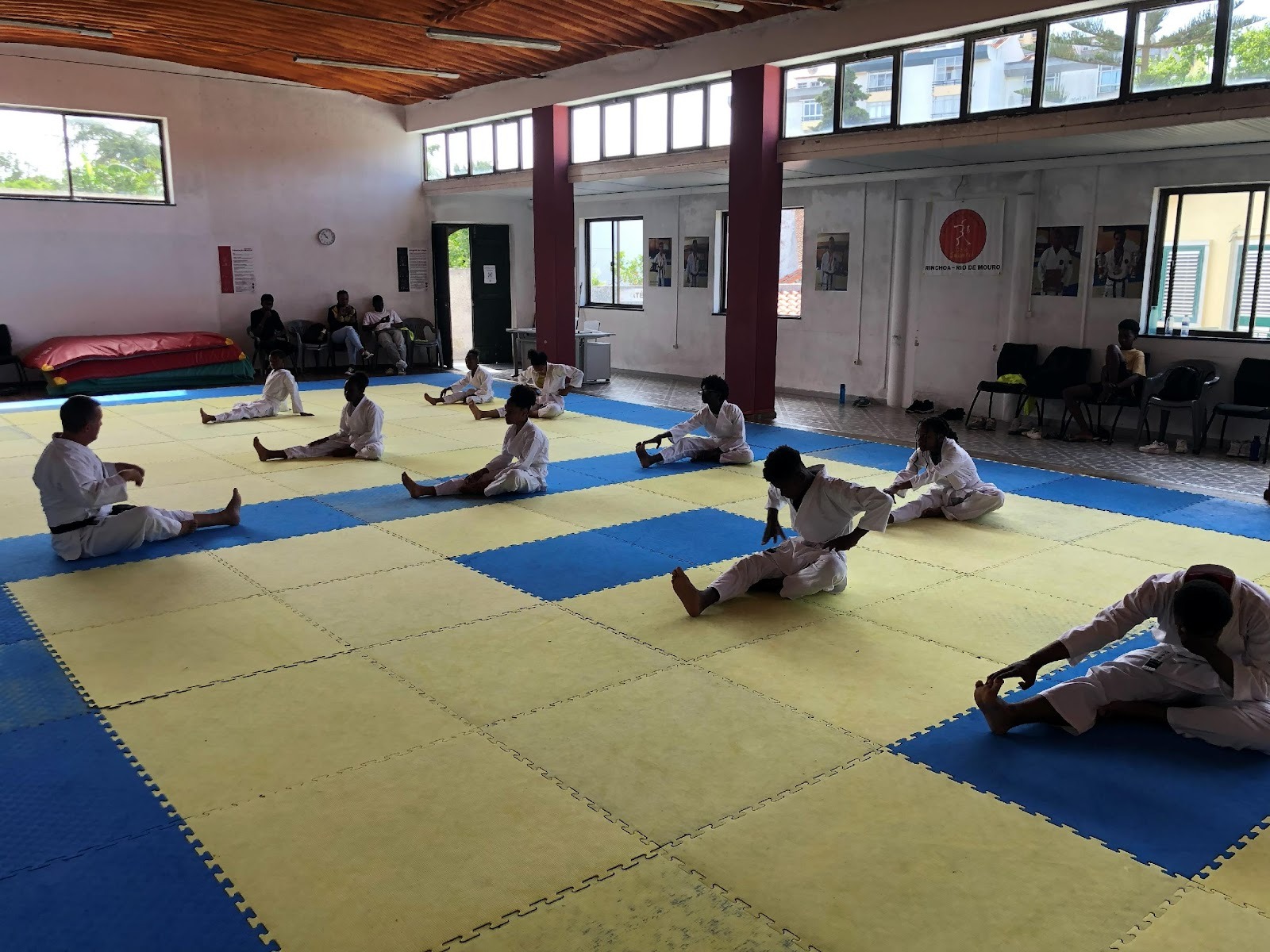
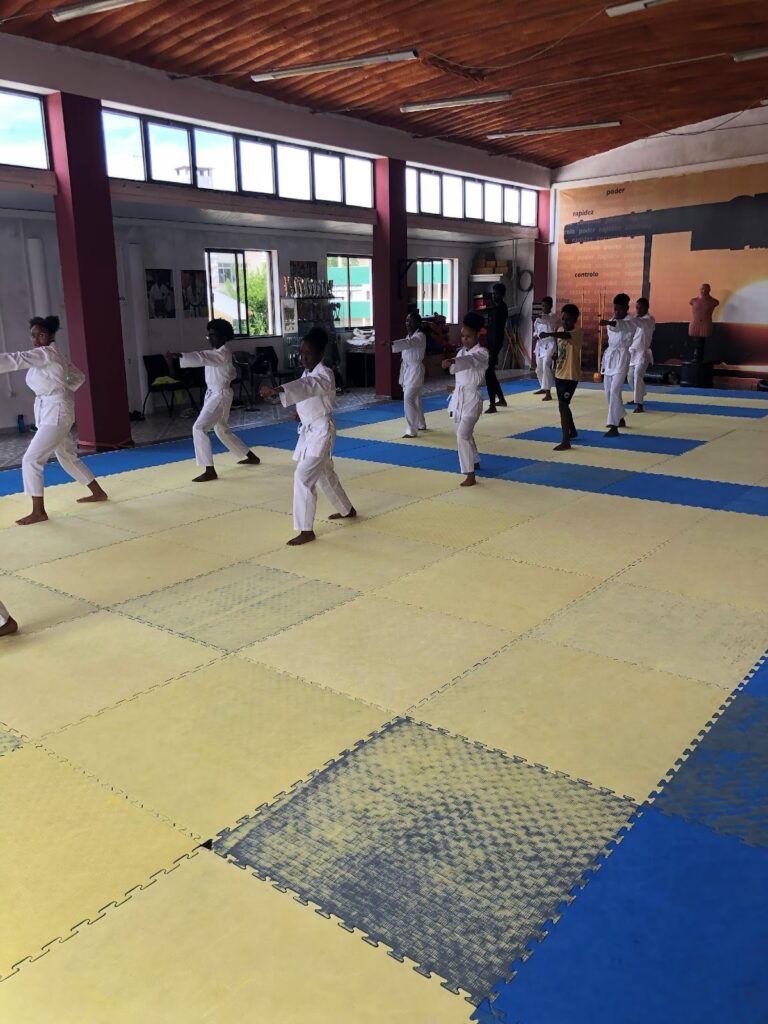
    In Portugal, Sport Evolution Alliance has launched weekly karate classes for young participants aged 8–17 from migrant and refugee families. These sessions combine structured physical training with opportunities to build confidence, mutual respect, and social connections.

    Together, these ongoing activities demonstrate that the project is actively building bridges between communities and using sport as a powerful tool for inclusion, participation, and social cohesion across Europe.